
Electricity powers almost every aspect of modern life, from the refrigerators that preserve food to the devices that connect families to the outside world. Yet, despite its indispensable role in daily routines, household electricity remains one of the most hazardous elements in a living space. Every year, thousands of residential fires, severe injuries, and property losses occur due to neglected wiring, overloaded circuits, and improper maintenance. Ensuring a safe living environment requires a thorough understanding of how electrical systems function, recognizing potential hazards before they escalate, and knowing when to call qualified professionals for routine maintenance and emergency repairs.
Prioritizing safe practices around the house goes beyond preventing minor power outages. It involves protecting loved ones from life-threatening shocks, safeguarding expensive electronics from severe power surges, and preserving the structural integrity of the home. Homeowners often take their electrical infrastructure for granted, assuming that as long as the lights turn on, everything is operating smoothly behind the walls. However, aging components, DIY mistakes, and improper load distribution can quietly build up dangerous heat levels that lead to catastrophic electrical fires. By adopting a proactive approach to safety and understanding key system components, property owners can maintain a secure, efficient, and reliable home environment for years to come.
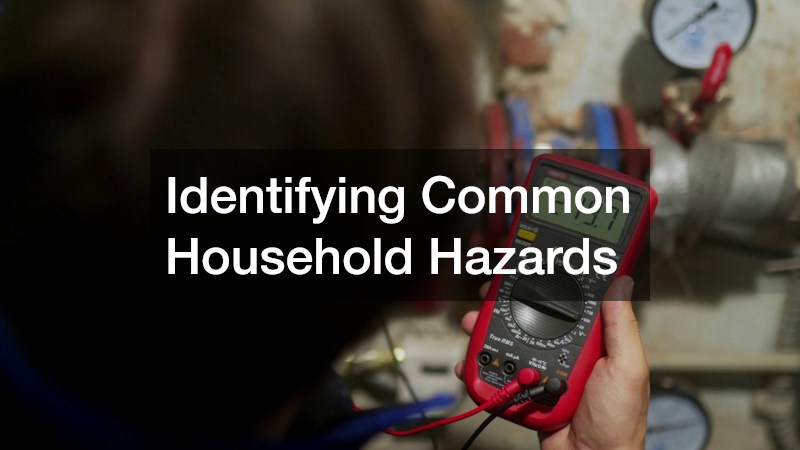
Identifying Common Household Hazards
Inspecting Power Cords and Wall Outlets Regularly
Physical wear and tear on visible power delivery components is one of the most common precursors to electrical danger. Flexible cords attached to appliances, lamps, and electronics are frequently squeezed behind furniture, pinched under heavy objects, or yanked out of walls improperly. Over time, this mechanical stress degrades the outer protective insulation, exposing live conductive wires beneath. When bare wires make contact with surrounding textiles, carpets, or other flammable materials, the resulting electrical arcing can ignite a fire instantly.
To mitigate these risks, perform regular inspections of all accessible cords throughout the residence. Immediately discard any device featuring cracked, frayed, or brittle cord jacket insulation. Avoid routing power cords underneath rugs, carpets, or heavy furniture where heat can become trapped and physical damage remains hidden from view. Furthermore, ensure that plug tines are straight and fit snugly into wall outlets. Loose plug connections create resistive heat that can damage wall sockets and spark internal electrical fires.
Preventing Socket Overloading Across Living Areas
Modern households depend heavily on numerous electronic devices, yet older structures were never designed to support today’s high electrical demand. Connecting multiple high-wattage appliances into a single outlet or daisy-chaining power strips causes dangerous current overloads. When excessive electrical current flows through conductors designed for lower capacities, the wire insulation melts, increasing the likelihood of short circuits and structural fires within wall cavities.
Distribute appliance loads across different dedicated circuits whenever possible, especially in high-consumption areas like kitchens, laundries, and home offices. Avoid plugging heavy-draw appliances such as space heaters, microwaves, or air conditioners into multi-outlet splitters or standard extension cords. Instead, connect these power-dense units directly into grounded wall receptacles. If power strips are necessary for low-draw electronics like televisions or charging blocks, choose models featuring built-in surge protection and internal circuit breakers.
Maintaining Vital System Infrastructure
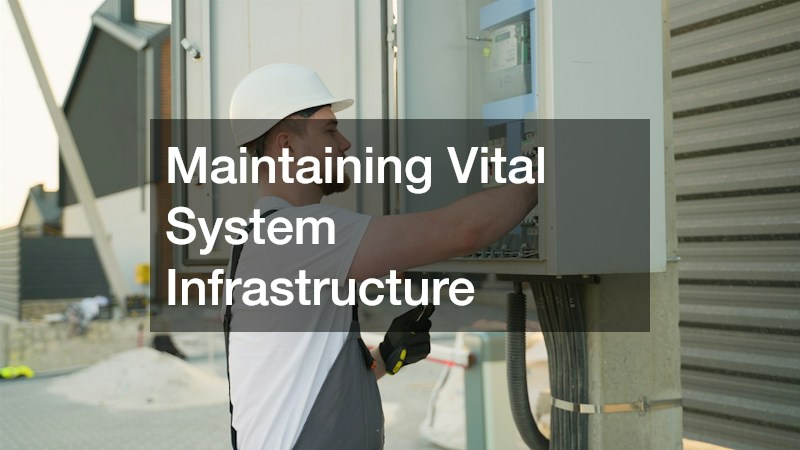
Monitoring the Main Service Panel
The main breaker box serves as the central switching distribution point for all electricity flowing through a residence. Its primary function is to automatically interrupt electrical flow whenever an overload or short circuit occurs, protecting internal wiring from severe overheating. However, older homes equipped with outdated fuse boxes or compromised breaker models can fail to trip during an overload, posing severe safety hazards to occupants.
If breakers trip frequently, lights flicker continuously, or the panel emits unusual humming or buzzing sounds, immediate professional evaluation is required. Upgrading an outdated panel ensures the system safely handles modern power demands while integrating modern safety switches. Engaging experienced electrical contractors ensures that panel service upgrades adhere strictly to updated safety codes and local building requirements.
Panel Maintenance Checklist:
- Inspect panel door for rust, moisture, or thermal discoloration
- Ensure every circuit is clearly labeled with its specific living zone
- Test Ground Fault Circuit Interrupter (GFCI) breakers monthly
- Maintain at least 3 feet of clear space in front of the breaker box
- Schedule professional thermal imaging inspections every few years
Replacing Vulnerable and Outdated Wiring Systems
Homes built between the mid-1960s and mid-1970s often feature branch circuit wiring that poses unique long-term fire hazards. Over time, metal expansion differences cause wire connection points to loosen, creating high-resistance connections that generate dangerous thermal build-up inside junction boxes. Addressing these legacy wiring issues requires professional evaluation and systematic remediation to ensure structural safety.
Homeowners residing in historic or mid-century properties should consult a licensed electrician to evaluate their existing branch wiring and determine if it is necessary to replace aluminum wiring or retrofit the connections. Remediation might involve installing specialized crimp connectors at every device outlet or completing a full system re-wire. Removing outdated materials eliminates inherent thermal hazards and ensures the home meets contemporary safety guidelines.
Protecting Wet Environments and Outdoor Spaces

Installing GFCI Outlets in Water-Prone Zones
Water is an exceptional conductor of electricity, making areas like bathrooms, kitchens, basements, and outdoor patios uniquely dangerous. Standard electrical outlets installed near sinks or water fixtures present high risks of severe electric shock if an active appliance contacts liquid. Ground Fault Circuit Interrupter devices monitor current balance and instantly cut off power if current leakage is detected, preventing lethal shocks.
Make sure GFCI receptacles are properly installed near all water sources throughout the property. Test these specialized outlets monthly by pressing the test button to ensure internal cut-off mechanisms trigger correctly. If an outlet fails to trip or reset properly, contact local certified electrician services immediately to replace the faulty receptacle before further appliance usage occurs.
Safe Usage of Outdoor Power Systems
Outdoor electrical setups face harsh environmental conditions including moisture, extreme temperatures, and physical impacts. Exposed wiring, unsealed junction boxes, and improper extension cord use outside can result in short circuits or dangerous earth leakage. Using weather-rated equipment ensures long-term safety for outdoor lighting, lawn care tools, and entertainment setups.
- Use only heavy-duty extension cords explicitly rated for outdoor application
- Ensure all exterior outlets feature weatherproof covers that close tightly
- Keep temporary electrical cords away from standing water and damp grass
- Mount outdoor fixtures securely onto solid surfaces to resist wind shear
- Unplug outdoor power tools immediately after completing lawn maintenance
Preparing for Power Emergencies and Backup Power
Implementing Safe Auxiliary Power Sources
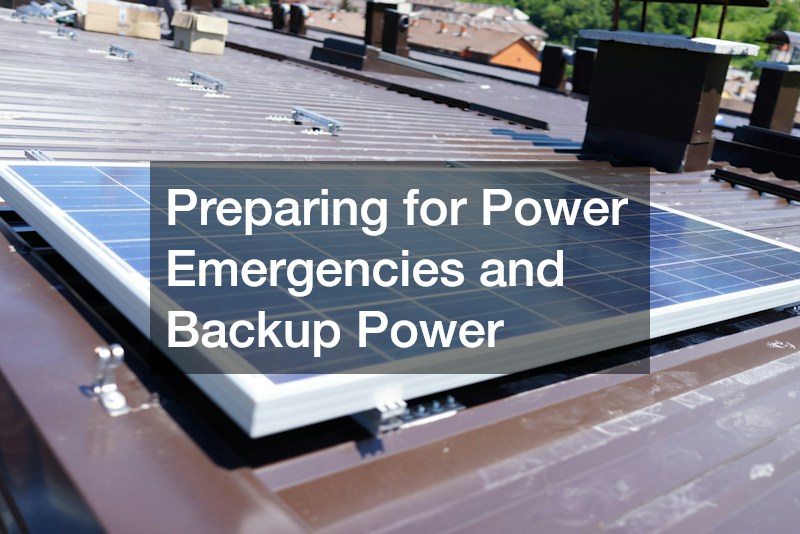
Severe weather events, storm damage, and grid failures often cause prolonged power outages, leading many homeowners to rely on alternative energy supplies. While temporary backup systems keep critical refrigeration, lighting, and medical devices running, improper installation and operation present grave dangers. Carbon monoxide poisoning, fatal grid backfeeding, and fire hazards are common consequences of incorrect temporary setup.
Operating a home generator safely requires careful adherence to manufacturer guidelines and local electrical safety codes. Units must always be run outdoors at a safe distance from windows, doors, and air intake vents to prevent lethal carbon monoxide accumulation inside living quarters. Furthermore, backup power units must never be connected directly into standard wall outlets. Interlocking transfer switches installed by qualified personnel are mandatory to isolate the residence from the main grid during utility outages.
Handling Severe Electrical Accidents and Fires
When electrical failures escalate into active emergencies, quick and informed action can save lives and limit property loss. Class C electrical fires cannot be extinguished using standard water, as liquid conducts electricity back to the handler, dramatically increasing shock risks. Understanding how to handle sudden system failures minimizes danger while waiting for emergency responders.
If an appliance begins smoking, emitting sparks, or producing an acrid burning smell, disconnect main power at the central breaker panel immediately if safe to reach. Keep a multipurpose Class ABC fire extinguisher clearly visible and accessible on every floor of the home. Never attempt to handle active electrical fires with water, and ensure all occupants evacuate the premises swiftly if flames cannot be extinguished instantly.
Knowing When to Call Qualified Professionals
Avoiding Dangerous DIY Repair Mistakes
The rise of online tutorials has encouraged many property owners to undertake complex home improvements independently. While basic tasks like changing light bulbs or attaching switch covers are safe for amateurs, tackling major system modifications poses severe hazards. Working inside main electrical panels, installing new dedicated circuits, or re-routing internal lines without complete technical training risks severe shock and fatal electrocution.
Navigating structural power setups safely demands extensive knowledge of electrical theory, load calculations, and local building codes. Attempting complex structural modifications without formal training often leads to improper wire sizing, ungrounded connections, and hidden fire risks inside walls. Contracting residential electricians guarantees that all maintenance, replacements, and additions are performed with accurate tools and compliant materials.
Choosing the Right Professional for System Care
Selecting a qualified and trustworthy professional is the single most important decision a homeowner can make regarding property safety. Certified contractors possess extensive field experience, carry mandatory liability insurance, and remain up to date on evolving safety codes. Entrusting your home to fully certified specialists guarantees peace of mind and long-term infrastructure reliability.
When seeking professional assistance for complex home repairs or major updates, research established local service providers thoroughly. Homeowners living in specific geographic regions should seek out specialized area professionals, such as an electrician in st louis mo, to handle regional permit requirements and climate-specific infrastructure needs. Reputable providers offer clear diagnostic evaluations, transparent quotes, and backed guarantees for all installation work.
Criteria for Selecting Electrical Professionals:
- Valid state or municipal contractor licensing and current registration
- Comprehensive general liability and worker compensation insurance
- Proven track record of positive customer reviews and local references
- Clear, upfront pricing estimates detailing both labor and material costs
- Availability of emergency response services for sudden power failures
Scheduling Routine Professional System Audits
Even when a home electrical system appears to function without obvious issues, hidden safety defects can quietly develop over time. Thermal expansion, pest activity, insulation degradation, and loose mechanical connections frequently occur behind drywall out of normal view. Comprehensive system audits conducted by qualified technicians identify emerging hazards before they trigger fires or power failures.
Partnering with dependable electrical repair services allows homeowners to catch minor connection degradation, unbalanced circuit loads, and outdated safety components early. Comprehensive structural inspections should be scheduled every three to five years, as well as prior to purchasing any pre-owned residential property. Regular diagnostic checks preserve equipment longevity and ensure continuous system safety.
When selecting service providers for long-term home maintenance, compare different electrical repair companies to evaluate their specialized equipment capabilities, warranty terms, and service response times. Establishing a relationship with a reliable firm ensures rapid support when urgent system updates become necessary.
Modernizing Household Power Infrastructure
Upgrading Systems for Modern Electrical Demands
The typical modern home consumes significantly more electricity than homes built just two decades ago. High-definition media centers, multi-zone HVAC units, electric vehicle charging stations, and powerful kitchen appliances strain older distribution systems. Ensuring your home keeps pace with these increasing energy requirements protects overall system safety while maximizing overall energy efficiency.
Executing planned panel upgrades increases overall system capacity, allowing properties to power multiple high-draw devices simultaneously without tripping breakers or overheating supply lines. Expanding system capacity also creates room for future technology installations, boosting overall property value and operational efficiency.
Implementing Smart Safety Devices
Advancements in home automation have introduced innovative safety monitoring devices that actively protect properties from power hazards. Smart circuit breakers, whole-home surge protectors, and continuous monitoring systems detect subtle electrical irregularities before traditional thermal breakers can react.
- Whole-home surge suppressors protect sensitive digital electronics from voltage spikes
- Arc Fault Circuit Interrupters (AFCIs) detect dangerous, low-current arcing faults
- Smart panels send instant smartphone alerts regarding abnormal power consumption
- Automated shut-off systems disable power to specific zones during water leaks
- Thermal monitoring sensors detect overheating junction boxes inside wall cavities
Investing in modern safety hardware ensures that your residence remains protected against unexpected voltage spikes and unseen connection failures. Combining smart safety devices with professional installation guarantees maximum performance and long-term peace of mind.
Maintaining a safe electrical environment at home requires constant vigilance, proper usage habits, and timely professional maintenance. By routinely inspecting appliance cords, preventing outlet overloads, and utilizing GFCI protection in sensitive areas, homeowners can dramatically reduce the risk of structural fires and severe accidents. Understanding the limitations of household systems and avoiding dangerous DIY repairs ensures that structural modifications are completed strictly according to modern safety codes.
Investing in your property’s electrical infrastructure yields long-term rewards in safety, convenience, and overall property value. Whether upgrading an outdated service panel, replacing legacy branch wiring, or installing modern backup power solutions, proactive care keeps homes running smoothly and efficiently. Prioritizing safe electrical practices today safeguards both your physical property and the people who live within it for years to come.