
Highlights:
- Find the cause before you fix the symptom. Patchy grass usually traces back to something specific—pet damage, grubs, compacted soil, fungus, or too much shade—and treating the patch without addressing that root issue means it’ll likely just come back.
- You almost never need to replace your whole lawn. Spot treating bare or thin areas is faster, cheaper, and just as effective as a full reseed for the vast majority of patchy lawns.
- Match the repair method to the situation. Bare spots call for reseeding, thin areas are better suited to overseeding, and sod is the move when you need an instant fix in a small, highly visible spot.
- Speed comes down to a few simple habits. Choosing a fast-germinating grass type, keeping soil consistently moist, timing your repair with mild weather, and keeping foot traffic off the area all help new grass establish quicker.
- Ongoing care prevents the patches from returning. Deep but less frequent watering, mowing with sharp blades, rotating foot traffic, and watching for early signs of pests or disease keep a repaired lawn from sliding back into the same problem.
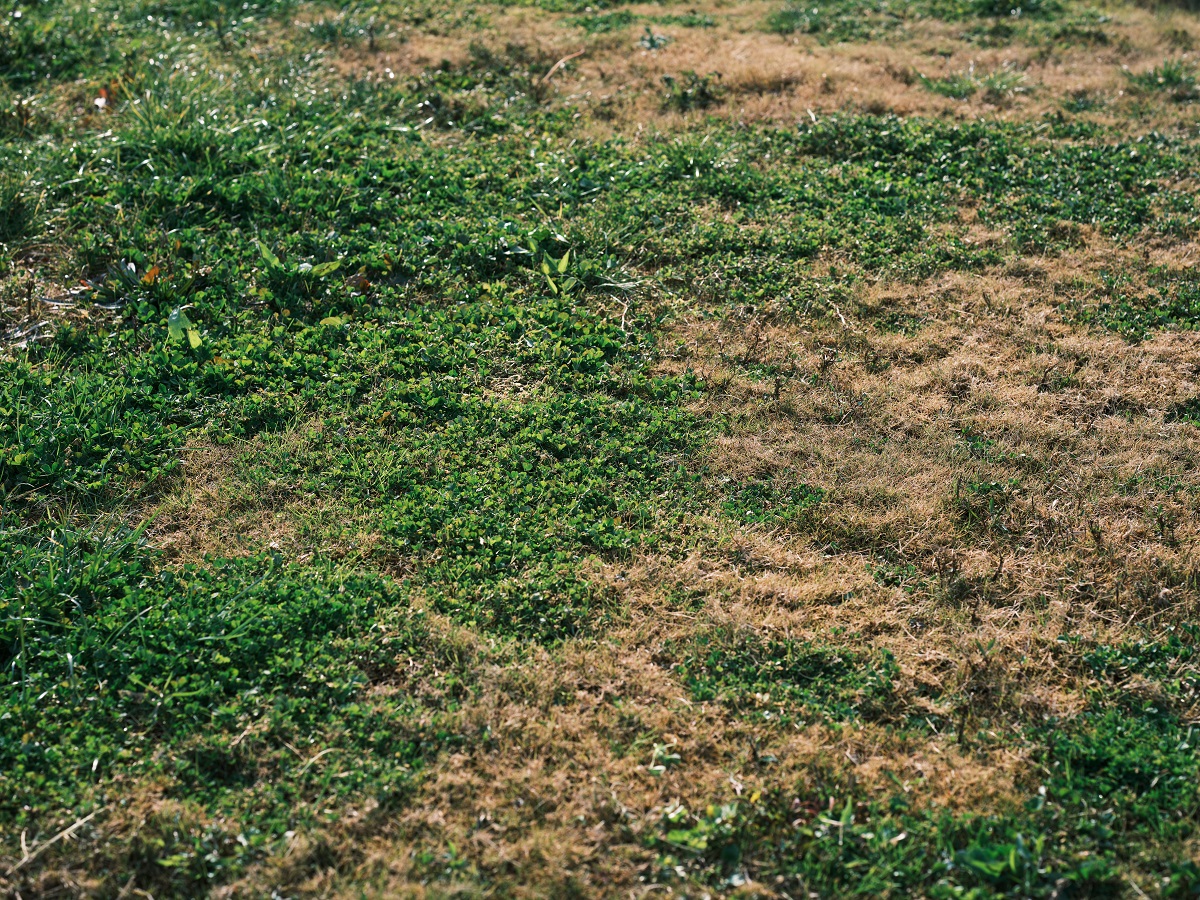
If your yard looks like it’s got a bad case of mange, you’re not alone. Patchy grass is one of the most common lawn complaints out there, and the good news is you almost never need to tear up the whole thing and start over. Most patchy lawns can be brought back to life with a few targeted fixes, some patience, and a little know-how about why the grass is struggling in the first place. Let’s break down exactly how to spot the problem and fix it without nuking your entire yard.
Why Does My Lawn Have Random Bare Spots?
Before you grab a bag of seed and start throwing it everywhere, it helps to figure out what actually caused the patches. Random bare spots usually come from one of these culprits:
- Pet damage. Dog urine is loaded with nitrogen, and in concentrated spots it burns the grass instead of feeding it.
- Foot traffic. Paths people walk regularly (think shortcuts to the mailbox or a side gate) get compacted and stop growing well.
- Grubs or insects. If patches feel spongy or pull up easily like a loose carpet, you might have grub damage underneath.
- Fungal disease. Circular patches, especially in humid weather, often point to a fungus rather than simple neglect.
- Poor soil or drainage. Compacted, rocky, or overly sandy soil makes it hard for grass roots to get a foothold.
- Too much shade. Standard grass varieties just don’t thrive without enough sunlight, no matter how much you water or fertilize.
Once you know the cause, the fix becomes a lot more obvious. Patching grass without addressing the root issue is like repainting a wall that’s still leaking water behind it.
Can You Really Fix Patchy Grass Without Reseeding the Whole Yard?
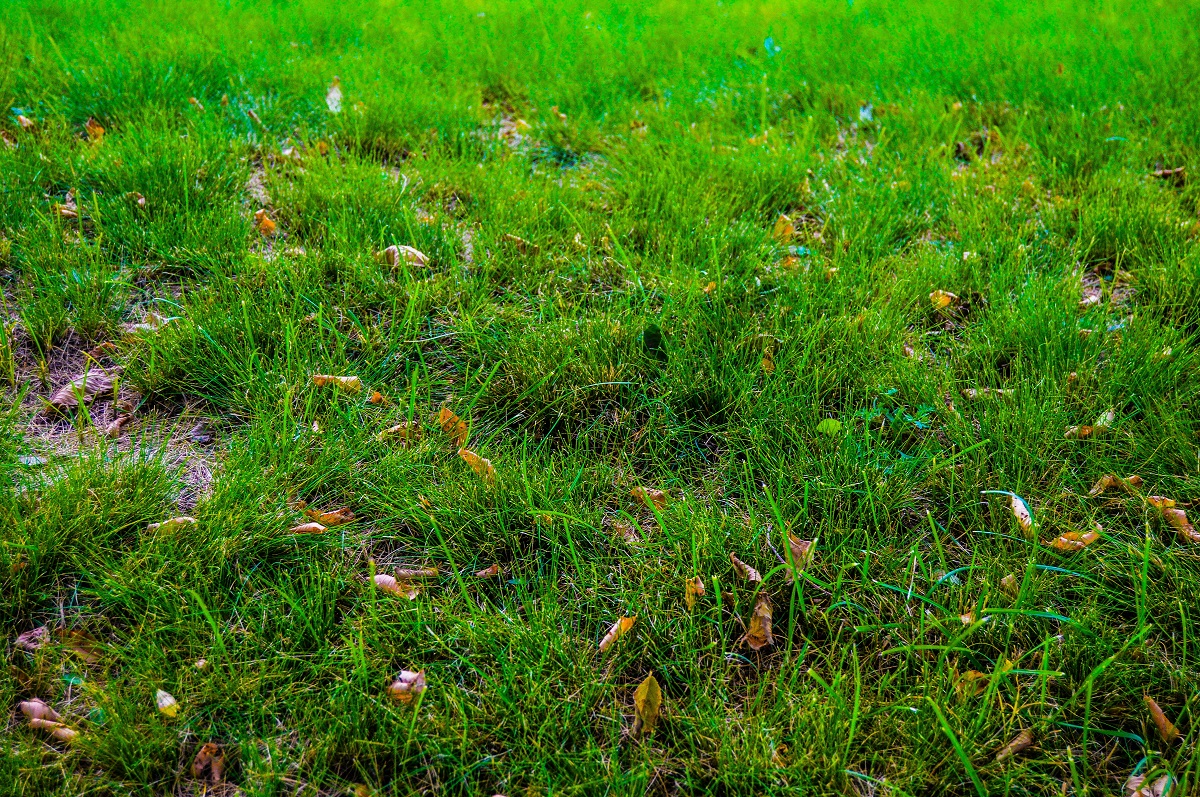
Yes, and in most cases that’s the smarter move anyway. Full lawn replacement is expensive, time-consuming, and honestly overkill for what’s usually a handful of problem areas. Spot treating is faster, cheaper, and lets you target your effort exactly where it’s needed.
Here’s the basic game plan for tackling patches without a full overhaul:
- Identify and remove the cause of the patch (grubs, compacted soil, dead thatch, etc.)
- Loosen the top inch or two of soil in the bare area
- Mix in a thin layer of compost or topsoil if the existing soil looks poor
- Spread grass seed that matches your existing lawn type
- Lightly rake seed into the soil and tamp it down so it makes good contact
- Water consistently until the new grass is established
This approach works well for spots up to a few feet across. If you’ve got dozens of disconnected patches all over the yard, it might feel like you’re reseeding “the whole thing,” but you’re still working in sections rather than stripping and starting from scratch.
What’s the Fastest Way to Get Grass Growing Again?
If speed is your main priority, a few tricks can shave real time off the process.
- Use a seed and mulch blend. Pre-mixed products that combine seed, starter fertilizer, and a moisture-retaining mulch germinate faster because the seed stays consistently damp.
- Pick a fast-germinating grass type. Perennial ryegrass, for example, often sprouts within five to ten days, while some fescues can take twice that long.
- Keep the soil moist, not soaked. Light watering once or twice a day for the first couple of weeks beats one heavy soak that washes seed away.
- Time it with the weather. Seeding right before a stretch of mild, slightly overcast days gives seedlings a gentler start than blazing sun.
- Avoid walking on the area. Even light foot traffic can disturb shallow roots before they’ve had a chance to anchor.
Most cool-season grasses will show visible green fuzz within one to two weeks under good conditions, with a fuller, walkable patch ready in about four to six weeks. Warm-season grasses tend to fill in fastest during their peak growing months, so timing your repair to the right season matters just as much as the technique.
Should You Reseed, Overseed, or Use Sod for Small Areas?
This is where a lot of people get stuck, so here’s a quick breakdown of when each method makes sense.
Reseeding bare spots is the right call when grass is completely gone in an area and the soil is exposed. You’re starting from scratch in that specific zone, prepping the soil, and planting new seed directly into it.
Overseeding works when grass is thin rather than totally bare, like after a rough winter or a stretch of drought stress. You’re spreading seed over existing (if sparse) turf to thicken it up, rather than replacing it outright.
Sod patching is your fastest fix when you need results in days, not weeks. You cut a piece of sod to match the bare spot, lay it down, and water it in. It costs more per square foot than seed, but it’s basically instant grass. This is a great option if the patchy area is small, highly visible, or somewhere you can’t avoid walking on while seed germinates.
For most homeowners dealing with a handful of patches, a mix of reseeding the truly bare spots and overseeding the thin areas around them gives the most natural-looking result without blowing the budget.
How to Fix Patchy Grass Without Spending a Fortune
Lawn repair has a reputation for being pricey, but it really doesn’t have to be. If you want to maintain your landscape on a budget, focus your money on the few things that actually move the needle and skip the rest.
- Buy seed in bulk rather than small patch-repair bags. The per-pound cost drops significantly, and you’ll likely need it again next season anyway.
- Make your own compost instead of buying bagged soil amendments every time.
- Rent equipment instead of buying it. A core aerator or dethatcher used once or twice a year is rarely worth owning outright.
- Test your soil before adding fertilizer. A cheap soil test tells you exactly what’s missing, so you’re not throwing money at nutrients your lawn doesn’t need.
- Water early in the morning. This single habit reduces water loss to evaporation and can meaningfully lower your water bill over a season.
- Mow at the right height for your grass type. Cutting too short stresses the lawn and often leads to more bare patches, which means more money spent fixing problems that proper mowing would’ve prevented.
Small, consistent habits like these add up to real savings over time, and they often do more for your lawn’s health than an expensive one-time treatment ever could.
What Causes Patches to Keep Coming Back?
If you’ve patched the same spot more than once, something in the environment is still working against the grass. A few repeat offenders worth checking:
- Compacted soil. If water just sits on top instead of soaking in, your soil is too dense for roots to spread. Aerating before you reseed gives new grass a much better shot.
- Thatch buildup. A thick layer of dead grass and roots between the soil and living grass blocks water and nutrients from reaching the roots.
- Wrong grass for the light conditions. Standard turf grass struggles in deep shade no matter what you do. A shade-tolerant grass blend solves this far better than repeated reseeding.
- Drainage issues. Low spots that collect water after rain create conditions where grass roots rot. Sometimes the real fix is regrading that section slightly, not reseeding it again.
- Pet routines. If the dog always relieves itself in the same corner, no amount of seed will out-compete that pattern. Training a designated spot, or diluting the area with water after each use, breaks the cycle.
Treating the underlying cause once usually means you’re not back here again next season.
How Do You Keep New Grass From Turning Patchy Again?
Once you’ve got new growth filling in, a little ongoing care keeps it from sliding backward.
- Water deeply but less often once grass is established, which encourages deeper, more resilient root systems.
- Mow with sharp blades; dull blades tear grass instead of cutting it cleanly, which stresses the plant and invites disease.
- Rotate foot traffic patterns where possible, especially across newly seeded areas.
- Fertilize according to your grass type’s actual growing season, not just on a generic spring-and-fall schedule.
- Keep an eye out for early signs of grubs or fungus so you can treat small problems before they become bare patches again.
Lawns are forgiving if you give them consistent, basic care. Most patch problems come from one or two habits that are easy to adjust once you know what to look for.
Final Thoughts
Fixing patchy grass doesn’t have to mean ripping out your whole lawn and starting over. In most cases, a little detective work to find the root cause, paired with smart spot treatment, gets you a healthy, even lawn in a matter of weeks. Whether you reseed, overseed, or patch with sod, the key is matching the method to the size and cause of the problem rather than going nuclear on the entire yard. Start small, stay consistent, and you’ll likely be surprised how fast those bare spots fill back in.