

Maintaining a beautiful yard can feel like an expensive and time-consuming task, especially for homeowners who want their property to stand out in the neighborhood. Between lawn care, plant maintenance, outdoor upgrades, and seasonal upkeep, landscaping costs can add up quickly. However, creating and maintaining a visually appealing yard does not always require large investments or constant professional services.
In many cases, curb appeal comes down to consistency, smart planning, and preventative maintenance. Small improvements made regularly can keep your yard looking clean, healthy, and well cared for without draining your budget. By focusing on long-term strategies instead of quick fixes, homeowners can stretch their landscaping dollars much further.
Another key factor is prioritization. Not every part of your landscape needs immediate attention. Some areas may require regular maintenance, while others can be improved gradually over time. When you approach landscaping with a clear plan and practical goals, you can make improvements in stages while keeping overall costs manageable.
Budget-friendly landscaping also involves making smart choices about materials, water use, and maintenance habits. In this guide, we’ll explore practical strategies that homeowners can use to maintain a beautiful yard without overspending. These tips focus on planning, preventative care, and thoughtful upgrades that keep your outdoor space attractive while protecting your budget.
Start With a Simple Long-Term Plan for Your Yard

One of the most effective ways to manage landscaping costs is to start with a clear long-term plan. Without a strategy, homeowners often spend money on random improvements that don’t necessarily enhance the overall appearance of the yard. A simple plan helps you prioritize upgrades and focus on the areas that will have the biggest visual impact.
A thoughtful landscape design plan doesn’t have to be complicated or created by a professional designer. Even a basic sketch of your yard can help you visualize where plants, walkways, and outdoor features should be located. This approach ensures that every improvement you make contributes to a cohesive outdoor space rather than a collection of unrelated elements. When creating your plan, consider evaluating several key aspects of your yard:
- Areas that currently look overgrown or cluttered
- Spots where plants struggle to grow or receive too much shade
- Outdoor spaces that could be better utilized
- Existing features that may need repair or updating
After identifying these priorities, you can create a realistic timeline for improvements. This method helps prevent unnecessary spending while ensuring that your yard continues to improve each year.
Reduce Water Waste With Smarter Irrigation Habits
Watering is essential for maintaining healthy plants and a green lawn, but inefficient watering practices can lead to unnecessarily high utility bills. Many homeowners unknowingly waste water through outdated sprinkler systems or poorly timed watering schedules.
Installing or improving lawn irrigation systems can make a significant difference in both water usage and plant health. Modern irrigation setups are designed to distribute water evenly and efficiently, ensuring that plants receive the moisture they need without overwatering. Simple irrigation improvements can make a noticeable impact on your landscaping budget.
- Water early in the morning to reduce evaporation
- Check sprinkler heads for leaks or clogs
- Adjust watering frequency during cooler months
- Use timers to avoid overwatering
These adjustments help ensure that water is used only when necessary. Over time, efficient irrigation practices can lower monthly bills while keeping your lawn healthy and vibrant.
Consistent monitoring is also important. Periodically checking your irrigation system allows you to catch problems early before they result in wasted water or damaged plants.
Focus on Seasonal Yard Care That Prevents Bigger Problems
Routine maintenance is one of the most effective ways to keep landscaping costs under control. Many expensive yard problems begin as small issues that could have been addressed early with basic seasonal care.
There are times when homeowners should consider hiring a professional tree service to handle more complex tasks. Large trees, storm damage, or branches located near power lines often require specialized equipment and expertise to manage safely.
Seasonal maintenance tasks typically include a combination of small but important jobs.
- Clearing leaves and debris from lawns and beds
- Checking plants for signs of disease or pests
- Removing broken branches after storms
- Refreshing garden beds and edging
By keeping up with these tasks throughout the year, homeowners can maintain a tidy landscape without spending large amounts of money on major repairs. Preventative care protects both the health of your plants and the overall appearance of your property.
Maintain Trees Regularly to Avoid Expensive Damage
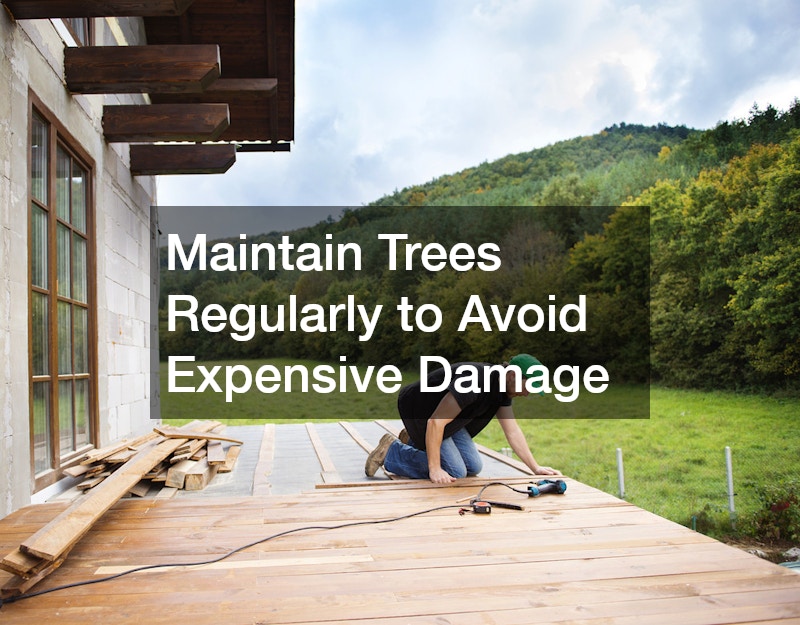
Trees are one of the most valuable features in any landscape. They provide shade, improve curb appeal, and add character to outdoor spaces. However, without proper maintenance, trees can become hazardous or unsightly.
Scheduling occasional maintenance with a tree trimming service helps keep trees healthy and structurally sound. Removing weak or overcrowded branches improves airflow and reduces the risk of damage during storms. Professional arborists are trained to evaluate the health of trees and identify potential problems before they become serious. They can spot issues such as disease, insect infestations, or structural weaknesses that homeowners may overlook.
Regular tree care offers several long-term benefits.
- Healthier growth and stronger branch structure
- Reduced risk of falling limbs
- Improved sunlight exposure for surrounding plants
- Better overall appearance of the yard
Maintaining trees also helps prevent costly property damage. Large branches that fall during storms can damage roofs, fences, and vehicles. Preventative trimming ensures that trees remain safe and attractive.
Over time, consistent tree maintenance is far more affordable than dealing with emergency repairs or removing severely damaged trees.
Remove Unsightly Stumps That Detract From Your Yard’s Appearance
Old tree stumps can make even a well-maintained yard look unfinished. They often remain after tree removal projects and can linger for years if not addressed properly. Besides affecting curb appeal, stumps can also create tripping hazards and attract pests. Professional stump grinding is one of the most efficient ways to remove these unwanted remnants. This process grinds the stump down below ground level, allowing the area to be covered with soil or grass.
Once the stump is removed, the space becomes usable again. Homeowners often choose to plant flowers, install small garden features, or expand lawn areas where stumps once existed.
Some creative ways to use the newly cleared space include:
- Planting a decorative shrub or small tree
- Creating a flower bed or garden accent area
- Expanding lawn space for a cleaner look
- Installing a small seating area
Removing old stumps improves both safety and aesthetics. The yard looks more polished and organized, and homeowners gain additional space for landscaping features.
Choose Durable Outdoor Surfaces That Require Minimal Maintenance
Outdoor surfaces play a major role in the overall appearance and functionality of a yard. Walkways, patios, and seating areas allow homeowners to enjoy their outdoor spaces while also contributing to curb appeal.
One popular option for long-lasting outdoor surfaces is concrete patios. Concrete is durable, affordable, and relatively easy to maintain compared to other materials. When installed properly, it can last for decades with minimal upkeep. Another advantage of concrete patios is their versatility. They can be finished in a variety of styles, including stamped patterns, textured surfaces, and colored finishes. These options allow homeowners to achieve a more decorative look without significantly increasing costs.
Basic maintenance keeps these surfaces looking clean and wwell-maintained
- Sweep regularly to remove dirt and debris
- Wash the surface occasionally with a hose or pressure washer
- Seal the surface every few years to protect it from weather
With proper care, concrete patios remain attractive and functional for many years. This durability makes them a practical choice for homeowners who want to improve their outdoor spaces without ongoing maintenance expenses.
Invest in Smart Outdoor Improvements That Add Value
Not all landscaping upgrades deliver the same return on investment. Some projects improve both functionality and curb appeal, while others may be more decorative than practical. Choosing improvements carefully can help homeowners maximize their landscaping budgets. Working with an experienced patio builder can be particularly helpful when planning outdoor improvements. Professionals can recommend designs and materials that fit both your budget and your property’s layout.
Rather than attempting large renovations all at once, many homeowners choose to add features gradually. Small upgrades — such as seating areas, garden paths, or fire pits—can significantly enhance outdoor spaces when added over time. Before starting any new project, consider how it will improve the overall usability of your yard. Features that encourage outdoor activities or create gathering spaces often provide the most long-term value.
Thoughtful improvements not only enhance daily living but also increase the visual appeal of the property. Even modest projects can make a noticeable difference when they are well planned and integrated into the existing landscape.
Add Functional Outdoor Spaces Without Overspending
Outdoor living areas are becoming increasingly popular because they extend the usable space of a home. While some outdoor additions can be expensive, there are budget-friendly ways to create comfortable gathering areas.
A sunroom is one option that allows homeowners to enjoy natural light and outdoor views while remaining protected from wthe eather. Although full sunroom installations can be costly, smaller or simplified designs can provide similar benefits at a lower price.
For example, screened porches or enclosed patios can function as affordable alternatives. These spaces allow homeowners to relax outdoors without worrying about insects or sudden rain showers. When planning an outdoor living area, it’s important to focus on functionality rather than size. Even a small, well-designed space can feel inviting and comfortable when furnished thoughtfully.
Adding outdoor living space enhances curb appeal and encourages homeowners to spend more time enjoying their landscape. Over time, these areas often become favorite spots for relaxation and entertaining.
Know When Professional Help Saves You Money
While many landscaping tasks can be handled independently, there are situations where professional assistance is the safer and more cost-effective option. Attempting complex or hazardous work without the right tools or experience can lead to costly mistakes.
Hiring a professional tree service is often necessary for tasks such as removing large trees or handling storm damage. These jobs require specialized equipment and expertise to complete safely. Professional services can also help prevent property damage. Trees located near power lines, structures, or fences should be evaluated carefully before any work is attempted.
Situations that often require professional help include:
- Removing large or damaged trees
- Handling storm-related tree damage
- Cutting branches near power lines
- Managing trees with visible disease or decay
By recognizing when expert assistance is needed, homeowners can avoid dangerous situations and costly repairs. Professional services may require an upfront investment, but they often save money in the long run.
Maintain Curb Appeal With Consistent Low-Cost Habits
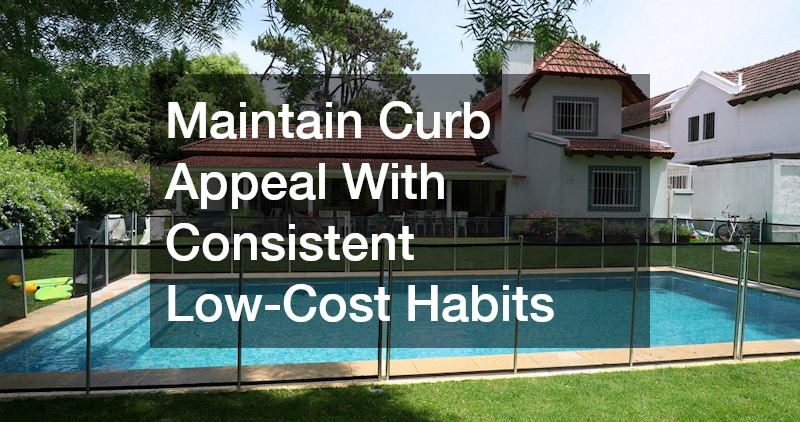
One of the most effective ways to keep a landscape looking attractive is by developing consistent maintenance habits. Small tasks performed regularly prevent clutter, overgrowth, and deterioration.
Revisiting your landscape design plan occasionally can help you stay focused on long-term goals. As plants grow and outdoor spaces evolve, you may discover new opportunities for improvement or areas that need attention.
It’s also important to monitor your lawn irrigation system periodically. Even minor leaks or clogged sprinkler heads can affect plant health and increase water usage. Routine inspections ensure that your watering system continues operating efficiently.
Simple weekly or monthly habits can make a big difference in maintaining curb appeal.
- Trimming plants that extend into walkways
- Removing weeds before they spread
- Checking irrigation systems for leaks
- Cleaning outdoor surfaces regularly
By staying consistent with these tasks, homeowners can keep their yards looking neat and inviting without spending large amounts of money. Maintaining a beautiful landscape does not have to come with an overwhelming price tag. In many cases, the key to preserving curb appeal lies in consistency, smart planning, and preventative care rather than large renovations.
Another important strategy is prioritizing durability and efficiency. Choosing long-lasting materials, maintaining healthy trees, and monitoring watering habits all reduce long-term maintenance costs. These thoughtful decisions help ensure that landscaping investments continue to deliver value year after year.
Ultimately, maintaining curb appeal is about creating a balance between beauty and practicality. With the right approach, homeowners can enjoy an attractive and welcoming landscape that enhances their property while remaining affordable to maintain.