

The kitchen is often described as the heart of the home, a place where culinary creativity meets the daily hustle of family life. However, when the decor feels dated or the functionality begins to fail, the prospect of a renovation can feel financially overwhelming. Many homeowners assume that a modern look requires a six-figure investment and a complete demolition. In reality, the most successful kitchen updates are those that focus on strategic improvements, blending aesthetic refreshes with smart mechanical maintenance.
Strategic Planning for High-Impact Visuals

Before you pick up a sledgehammer or browse a showroom, you must establish a clear vision. A common mistake in budget renovations is buying items piecemeal without a cohesive plan, which leads to a cluttered and disjointed final product. Start by creating a mood board that captures the textures, colors, and finishes you desire. This stage is about identifying the “bones” of your kitchen and determining if they are worth saving or if they require professional intervention.
If your current layout is functional but the aesthetic is stuck in a previous decade, you might consider how professional designers optimize storage. While you may not be looking to completely replace every unit, studying the organizational layouts used by top-tier cabinet companies can provide inspiration for your own DIY modifications. Adding pull-out spice racks, heavy-duty drawer slides, or crown molding to the top of existing units can create a custom, built-in appearance for a fraction of the cost.
For those who find that their kitchen requires more than just a surface-level facelift, the planning phase becomes even more critical. Even if you intend to do much of the labor yourself, consulting with reputable kitchen remodeling companies can save you money in the long run. These professionals can often spot structural or electrical hurdles that a novice might miss, allowing you to adjust your budget before you are too deep into the project to turn back.
Upgrading Surfaces for a Premium Look
The surfaces in your kitchen—the counters and the backsplash—occupy the most visual real estate at eye level. If these are stained, chipped, or finished in an outdated material, the entire room will feel tired. Modernizing these elements provides the biggest “bang for your buck” because they immediately signal a fresh start. You don’t necessarily need the rarest marble to achieve a high-end feel; many modern laminates and composite materials mimic the look of natural stone with incredible accuracy.
When selecting materials, durability is just as important as appearance. High-traffic kitchens benefit from surfaces that are non-porous and resistant to heat and scratches. Investing in quality kitchen countertops is one of the few areas where spending a bit more upfront can prevent the need for another replacement in just a few years. Look for remnants at stone yards or consider butcher block, which can be sanded and resealed over time to maintain its beauty.
If you have a kitchen with a unique shape or a large central island, you might find that standard off-the-shelf slabs don’t quite fit the bill. In these instances, seeking out custom countertops can be a game-changer for the overall flow of the room. A perfectly fitted surface eliminates awkward gaps and provides a seamless look that defines a modern aesthetic, proving that precision often matters more than the price tag of the material itself.
Optimizing Kitchen Mechanics and Flow

A beautiful kitchen that doesn’t function properly is a source of constant frustration. Modernization isn’t just about the colors of the walls; it’s about how the space works for you. This means evaluating the “work triangle”—the path between the refrigerator, stove, and sink. Small adjustments to the lighting or the installation of a more powerful vent hood can dramatically improve the cooking experience without requiring a full-scale renovation.
To ensure your mechanical plans are sound, it is often wise to look into local kitchen services that offer specialized labor for specific tasks. These experts can help with the technical aspects of a refresh, such as installing under-cabinet LED lighting or moving an electrical outlet to a more convenient location. By hiring out the technical work and handling the cosmetic tasks yourself, you maintain a healthy balance between professional quality and budget savings.
The sink area is the most used part of the kitchen, yet it is often the most neglected during a remodel. Beyond just a new faucet, ensure that the underlying infrastructure is robust. A consultation with a trusted plumbing company can provide peace of mind, as they can inspect the integrity of your pipes before you install expensive new cabinetry over them. Addressing minor leaks or slow-moving drains now prevents expensive water damage later.
Preventing Hidden Costs through Maintenance
Nothing kills a renovation budget faster than an emergency repair that could have been prevented. As you modernize the “pretty” parts of your kitchen, you must also pay attention to the systems that keep it running. A clogged pipe or a failed seal can ruin new flooring or cause cabinets to warp. Part of a budget-savvy approach is proactive maintenance, ensuring that your investment is protected from the inside out.
- Clean your faucet aerators every six months to maintain water pressure.
- Check the seals around your dishwasher to prevent floor rot.
- Test your shut-off valves to ensure they work in case of a sudden leak.
Regularly inspecting your drainage system is a simple task that saves hundreds of dollars in service calls. While many homeowners reach for harsh chemicals, these can actually damage older pipes over time. For persistent issues like clogged drains, it is better to use a manual snake or a biological cleaner that eats away at organic matter without eroding the metal or plastic plumbing.
Another common kitchen headache involves the disposal unit, which often bears the brunt of modern meal prep. To avoid the need for garbage disposal repairs, never put fibrous vegetables, coffee grounds, or grease down the drain. If the unit hums but doesn’t grind, it may just be jammed; many units come with a small hex key that allows you to manually turn the blades from the bottom to clear the obstruction safely.
Energy Efficiency and Appliance Longevity

In a modern kitchen, “green” is the new black. High-efficiency appliances not only look sleek but also save you a significant amount of money on monthly utility bills by reducing water and electricity consumption. However, you don’t always need to buy brand-new machines to achieve these eco-friendly goals. Often, a thorough cleaning of refrigerator coils to improve heat exchange or replacing the brittle gaskets on an oven door to prevent heat loss can restore an older appliance to near-original efficiency, allowing you to defer a large, budget-draining purchase.
Before you haul an old appliance to the curb, consider the financial benefits of a professional tune-up. Many reputable firms specializing in home appliance repairs can swap out worn sensors, faulty thermostats, or aging heating elements for a fraction of the cost of a new unit. This approach is particularly helpful for high-end legacy brands where the heavy-duty build quality of the chassis is often superior to modern, cheaper alternatives that rely heavily on fragile plastic components.
To keep your current suite running at peak performance, establish a seasonal maintenance checklist that targets the “hidden” parts of your machinery.
- Vacuum the coils behind or beneath your refrigerator twice a year to prevent the compressor from overworking.
- Replace water filters on schedule to prevent internal scale buildup that can choke water lines.
- Check the oven calibration with a standalone thermometer to ensure even cooking and prevent energy waste from “peeking” open the door.
For example, if your dishes are coming out cloudy or the dishwasher isn’t cleaning effectively, the culprit might be your water heater rather than the dishwasher itself. Over time, sediment buildup in the tank acts as an insulator, forcing the unit to work harder while simultaneously reducing the temperature of the water delivered to the kitchen. Flushing the tank annually is a vital part of home maintenance that ensures your dishwasher receives the scalding water it needs to sanitize properly, preventing you from running multiple cycles and wasting resources. By optimizing these foundational systems, you ensure that every appliance in your kitchen operates as part of a high-performance, cost-effective ecosystem.
Detailed Interior Design Tips for the Budget-Conscious
Once the mechanics are sound and the surfaces are updated, the finishing touches will bring the room to life. Modern design often favors a “less is more” approach, which is perfect for those on a budget. Clearing the clutter from your countertops makes the room feel larger and allows your new surfaces to shine. Use decorative trays to group essential items like oils and salts, turning everyday clutter into a curated display.
Lighting is perhaps the most underrated tool in the renovator’s kit. Replace a dated central fluorescent fixture with a modern track light or a series of pendant lights over the island. Adding dimmers allows you to change the mood of the room from a bright workspace to a cozy dining area. These small electrical changes provide a sophisticated atmosphere that makes even a modest kitchen feel like a high-end luxury space.
Consider the following quick updates for immediate impact:
- Swap out old plastic outlet covers for brushed metal or matte black versions.
- Add a peel-and-stick tile backsplash for a weekend project with big results.
- Replace a standard kitchen faucet with a high-neck commercial-style sprayer.
- Install “invisible” magnetic catches on cabinet doors for a sleek, hardware-free look.
The floors also play a massive role in the room’s feel. If a full tile job is out of reach, high-quality luxury vinyl plank (LVP) can be installed directly over many existing floors. LVP is waterproof, durable, and comes in patterns that convincingly mimic hardwood or stone. It is a favorite among budget renovators because it is DIY-friendly and requires very few specialized tools to install.
Long-Term Maintenance and Sustainability
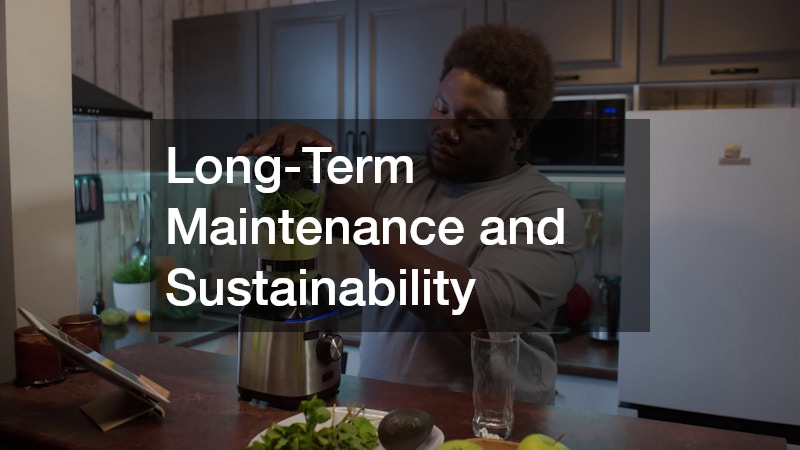
A modernized kitchen is only as good as its consistent upkeep. This includes using the right cleaners for your specific countertop material and ensuring that any wood elements are kept dry to prevent swelling or finish damage. Modern kitchens emphasize clean lines and minimalism, so maintaining a “clean-as-you-go” policy helps preserve the sleek aesthetic you’ve worked so hard to create without requiring hours of deep cleaning every weekend.
Sustainability also means thinking about the future of the materials and colors you’ve chosen. Opting for classic, sophisticated colors like navy, forest green, or charcoal for cabinetry—rather than hyper-trendy “colors of the year”—ensures your kitchen won’t feel dated in just twenty-four months. If you do crave a pop of a trendy neon or a specific pastel, use it in easily replaceable items like barstools, window treatments, or decorative ceramics.
Systems will naturally age, and design trends will inevitably shift, but by understanding the mechanical fundamentals of your kitchen’s construction, you remain in control of the budget. For instance, knowing how to reset your GFCI outlets or how to tighten a loose cabinet hinge can prevent minor annoyances from becoming professional service calls. The goal of a budget-savvy modernization is not just to create a pretty picture for social media; it is to build a functional, reliable, and beautiful environment where memories are made, and your equity is protected.
Every few months, take a moment to inspect the silicone caulking around your sink for cracks or check the underside of the cabinets for any signs of moisture. By catching a slow leak or a loose seal early, you prevent the type of long-term damage that usually necessitates hiring a high-priced plumbing company for structural repairs. This vigilant approach ensures that your affordable renovation remains affordable for years to come, rather than becoming a revolving door of replacement costs. By blending high-quality maintenance with smart design choices, you ensure that your kitchen remains a source of pride rather than a source of stress.
Achieving a modern kitchen on a budget is entirely possible with a blend of creativity, patience, and strategic investment. By focusing on the elements that provide the most visual impact and ensuring the underlying systems are well-maintained, you create a space that is both stylish and resilient. The most beautiful kitchens are rarely the ones that cost the most; they are the ones that reflect the care and personality of the people who live in them.